
· Connectzapp
Avionics Technician Description and the Best Paid Jobs in Australia
Planes and spacecraft rely on electronics that must work perfectly every time. Avionics technicians keep those systems running. If you enjoy problem solving and working with circuits, this could be your next career. This guide explains what avionics technicians do, how to train for the role, what you can earn, and how to find avionics technician jobs that suit you.
What does an avionics technician do?
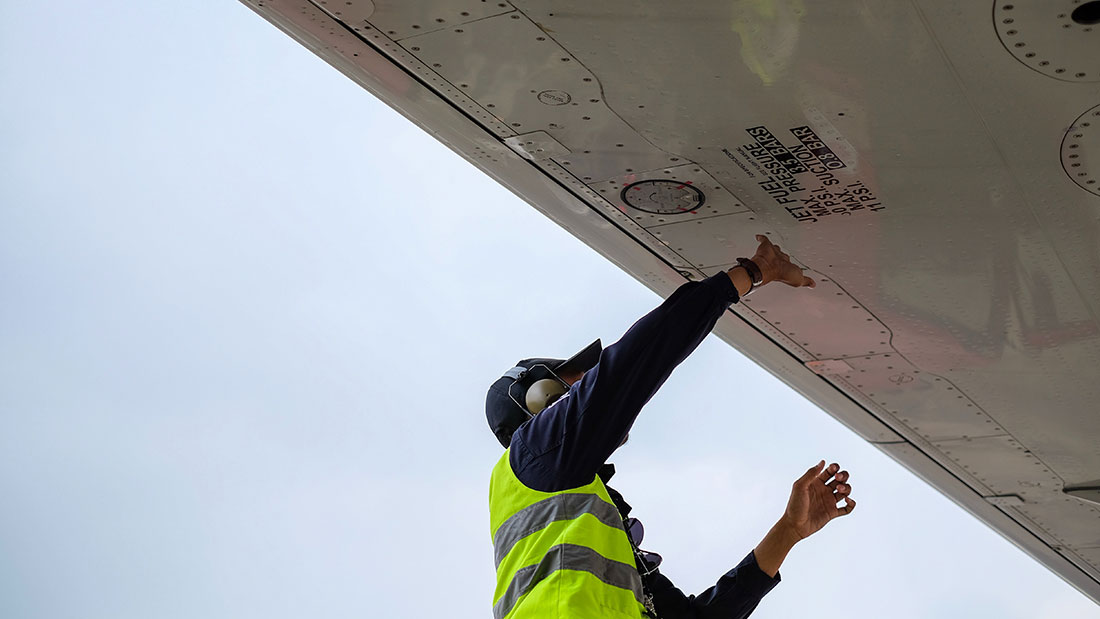
Avionics technicians maintain and repair the electronic instruments on aircraft and spacecraft. You might also hear the role called avionics electrical technician or avionics electronics technician. The job covers navigation, radio communication, radar and missile control systems. Your core responsibility is simple. Every onboard electronic system must work correctly.
Everyday tasks
No two days look exactly the same. Most avionics technician work follows a clear pattern, though. Common tasks include:
- Installing, testing and repairing avionics equipment on aircraft or spacecraft
- Fitting assemblies using manuals, blueprints and wiring diagrams
- Assembling switches, electrical controls and junction boxes
- Keeping accurate maintenance records for every job
- Setting up ground support and testing equipment for flight tests
- Analysing flight data to diagnose faults and system malfunctions
The tools of the trade
Avionics work demands precision. You will use voltmeters, oscilloscopes and circuit testers daily. Your avionics technician tool kit will also include hand tools and soldering irons. Good tools matter, but patience and a steady hand matter just as much.
How to become an avionics technician
There is more than one route into the job. Many people start by joining the Air Force, Navy or Army and training on the job. Civilian pathways are just as valid. Many technicians complete a Certificate 4 in Aeroskills with an avionics focus. Large airlines and aerospace companies often support this training. The qualification gives you the education and certification employers look for. A degree is not required.
Skills that help you succeed
An interest in computers, electronics and electrical control systems goes a long way. Curiosity helps too. You will enjoy the work more if you like understanding how things fit together. Strong attention to detail helps you excel during training and throughout your career.
What avionics technicians earn
Pay varies with experience, employer and location. Typical earnings for avionics technicians in Australia look like this:
- Range: $58,000 to $95,000 per annum
- Average: $71,000 per annum
Experienced technicians with specialist skills often sit near the top of that range. Use the average as a useful benchmark when you negotiate.
Finding avionics technician jobs
Finding the right role takes more than scrolling through endless listings. Connectzapp matches you with relevant jobs based on your profile. Employers post roles, and their matching system works alongside yours. When you and an employer each express interest with one click, a connection is made. It is a fast, transparent way to get noticed by companies that want your skills. Searching for avionics technician jobs near me becomes easier when your profile does the heavy lifting.
Make your application stand out
Your resume and cover letter still matter. Keep your resume focused on relevant licences, certifications and hands-on experience. List your maintenance record keeping and fault diagnosis skills clearly. A short cover letter of four sentences can work well. Explain why you want the role, what you bring and when you can start.
Practical takeaway
Start by building a clear profile that highlights your qualifications, tools experience and interest in aircraft systems. Then let Connectzapp connect you with avionics technician jobs that match your skills. Explore more career options at Connectzapp or download the Connectzapp App to get started today.