
· Connectzapp
Bartender and Bar Staff Jobs: Skills, Pay and How to Get Hired
Love mixing drinks and meeting new people? A career as a bartender or bar staff member could suit you well. Bar work is fast, social and rarely dull. This guide covers what the job involves, the skills venues look for, the courses that help and how to stand out when you apply for bar staff jobs in hospitality.
What does a bartender or bar staff member do?
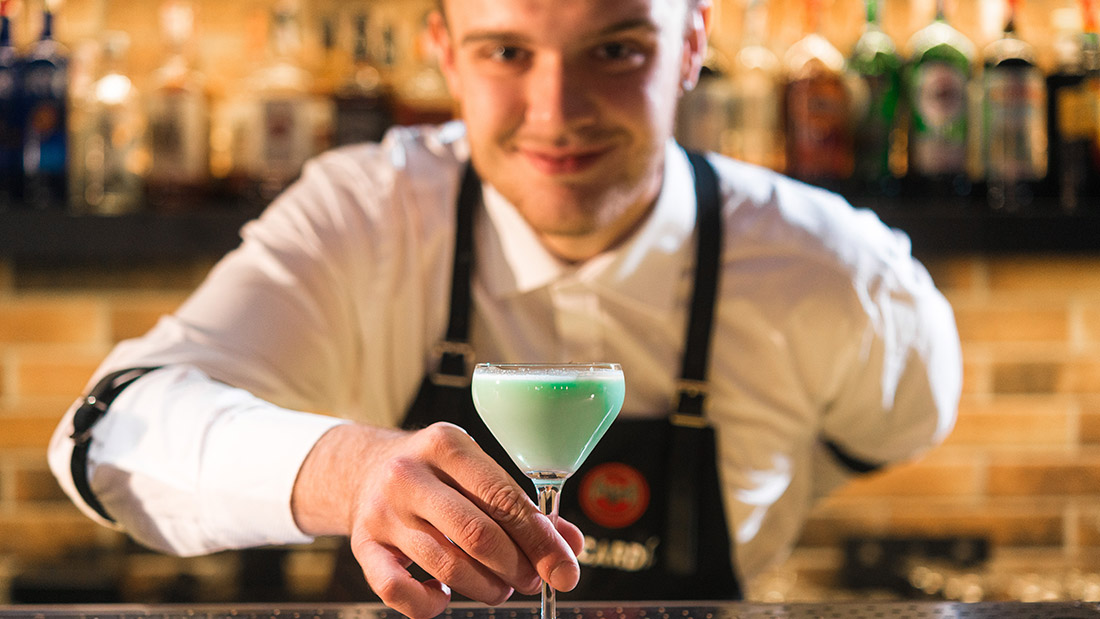
Bartenders mix drinks and serve them to customers at the bar or at their table. Experienced bar staff know a wide range of cocktails and can mix them quickly and accurately. You might work in a bar, club, hotel, restaurant, cruise ship or at an indoor or outdoor event.
You may also hear the role called barkeep, mixologist, barman, barmaid, tapster or alcohol server. Each title points to the same core job: keeping customers happy with well-made drinks.
Your day-to-day tasks
- Taking drink orders and preparing mixed drinks to customer requests
- Making classic and new cocktails using recipes and measuring spirits accurately
- Pouring wine by the glass or bottle and pulling beer on tap
- Serving bar snacks or full meals, often alongside wait staff
- Taking payments by cash or card and running the venue ordering system
- Keeping the bar, tables and glassware clean and tidy
- Checking stock levels and reordering alcohol and ingredients
Larger venues may also use cocktail shakers, ice shavers, carbonated drink dispensers and commercial strainers. Training on this equipment is often part of the job.
The skills venues look for
You do not need to be a cocktail expert on day one. Employers care just as much about how you treat people. Strong hospitality skills include:
- A friendly manner and genuine enjoyment of working with people
- Great customer service and clear communication
- Good memory for orders, even during a busy rush
- Patience, empathy and a calm demeanour under pressure
- Speed and accuracy when mixing drinks
- Good personal hygiene and a neat appearance
- Stamina to stay on your feet for a full shift
- The ability to work as part of a team
Where bar jobs are available
Bar staff work in restaurants, cafes, hotels, motels, clubs and entertainment venues. Cruise ships, private yachts and holiday resorts also hire bar staff. Opportunities exist in both city and regional areas, so location can be flexible.
Hours vary too. You can work full time or part time. Casual roles often start around 20 hours per week, though shifts can go up or down. Part time pay is usually negotiated between you and the venue.
Courses that can help you get hired
You do not always need a formal qualification to start. However, a hospitality course can strengthen your application and give you a head start. Options include:
- Certificate II in Hospitality
- Certificate I in Hospitality
- Certificate III in Hospitality
- Certificate IV in Hospitality
- Diploma in Hospitality
Look for a course that includes responsible service of alcohol training. Many venues require this before you can serve drinks.
What bar work pays and who does it
Pay varies by venue, role and location. Industry figures often put average weekly earnings for bar staff around $800. Hours commonly average close to 36 per week. Demand for skilled bar staff tends to stay strong, especially for people with solid experience.
The role suits a wide age range, from teenagers to people over 65. The workforce is mixed, although women make up a larger share of bar staff in many venues.
How to stand out in your application
Your resume and cover letter should show your hospitality experience, your customer service wins and any relevant courses. Keep both short and specific. Mention the type of venue you want to work in, and why.
Interviews matter just as much. Managers form a first impression fast, so plan your look and manner:
- Dress neatly in smart casual or business attire. Avoid sleeveless tops and overly casual clothes.
- Keep hair tidy. Tie long hair back in a neat style with minimal accessories.
- Apply makeup neatly and keep it natural.
- Sit upright, smile, hold eye contact and shake hands firmly.
- Give short, confident examples of times you handled a busy service or a difficult customer.
Practical takeaway
Bar work rewards people who are friendly, calm and quick on their feet. Start by listing your hospitality experience, then match it to the skills venues ask for. Consider a short course to strengthen your resume. When you are ready, put your profile in front of employers who are hiring now. Connectzapp matches your skills with relevant bar and hospitality roles, and a single click from both sides starts a connection. You can explore more at Connectzapp and get started today.
#BartenderJobs #BarStaff #HospitalityJobs #CareerAdvice #JobMatching