
· Connectzapp
Flight Attendant Duties, Requirements and Pay Guide
Thinking about a career in the sky? Flight attendants keep passengers safe, calm and comfortable from boarding to landing. The job is busy, social and rarely the same twice. Here is what the role involves, what airlines usually ask for, and how pay and rosters tend to work.
What a Flight Attendant Does
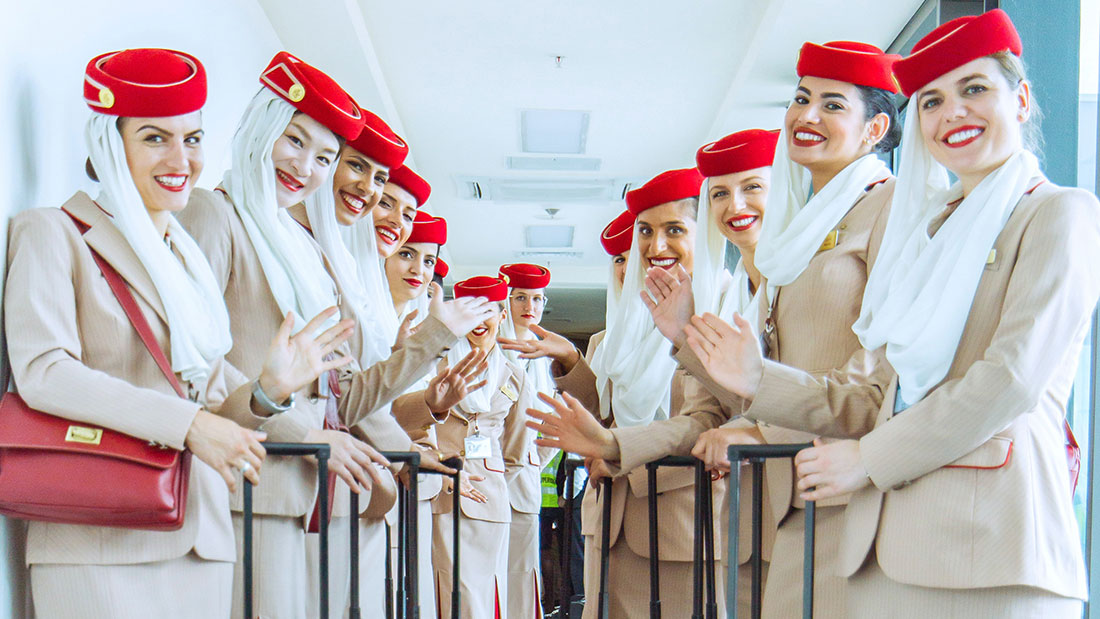
Flight attendants are sometimes called flight stewards, cabin crew or air hostesses. Their core job is safety. Service comes a close second. A typical flight attendant job description includes:
- Checking the cabin is clean, tidy and ready before passengers board
- Making sure emergency equipment works properly
- Greeting passengers and guiding them to their seats
- Running the pre-flight safety briefing
- Securing the cabin for takeoff and landing
- Serving food and drinks, and responding to requests during the flight
- Following all aviation rules and regulations
- Helping passengers and crew during emergencies
- Writing up reports on any flight incidents
Requirements for Flight Attendant Roles
Requirements vary between employers. Still, most airlines look for a similar set of qualities. Expect to meet some or all of these:
- Completed high school
- Work experience in customer service or hospitality
- A height within the airline's range, usually around 163cm to 183cm
- A weight limit that suits the airline's uniform and safety standards
- Being at least 18 years old, with no upper age limit
- Physical fitness for pushing, pulling and lifting, including handling heavy aircraft exit windows
- A current first aid certificate
- Responsible service of alcohol
- Strong communication and listening skills
- Calm decision making under pressure
- Willingness to relocate
- A background check for prior convictions
A second language is a useful bonus. So is a tattoo that your uniform or makeup can cover. Male and female flight attendants both work across the industry.
What a Working Roster Looks Like
Flight attendant rosters rarely follow a 9 to 5 pattern. Most people work between 9 and 20 days a month. The exact number depends on the airline and your seniority. Work can be full time or part time. Some crew are rostered as reserves, ready to fill in at short notice. Crew schedule coordinators usually set the timetable.
A busy day might start at 3am. You pack for several days, head to the airport early and run through the briefing with your crew. Once the aircraft lands, you prepare the cabin for a fast turnaround. Domestic work often means several flights in one day. International flights run longer, but you usually get longer breaks between them.
How Much Flight Attendants Earn
Pay depends on the airline, the market and the role. Public guides often show a broad range. One example puts annual pay between about $40,000 and $73,000, with an average near $49,000. Always check current figures and local award rates before making decisions. Many airlines also offer travel perks, such as discounted or free flights for crew, family and friends.
The Pros and Cons of the Job
The upside is real. You get cheap travel, new people every day and a changing view from the window. The downside is also real. Weekends and public holidays are often part of the roster. Family events can clash with your schedule. Jet lag is a constant companion, and early starts are common.
How to Get Started
You do not need a university degree to become a flight attendant. Many employers value customer service experience above formal study. Hospitality work is a common route. Some flight attendant schools and colleges offer courses and certificates, and training is often affordable compared with other qualifications. Contact training providers near you to compare costs and entry requirements.
Demand for the role is steady, but competition is fierce. Airlines can be selective. Strong customer service experience, a clean record and a clear, friendly interview style can help you stand out.
Practical Takeaway
Start by listing your customer service experience and checking the height, age and fitness requirements for airlines you like. Get a first aid certificate early, since it is often required. Then build a simple profile that shows your strengths. Connectzapp matches your profile with relevant aviation roles, so you only need to express interest once to start a connection with an employer.