
· Admin
Your Quickest Path to Becoming a Vet Assistant
What Does a Vet Assistant Actually Do?
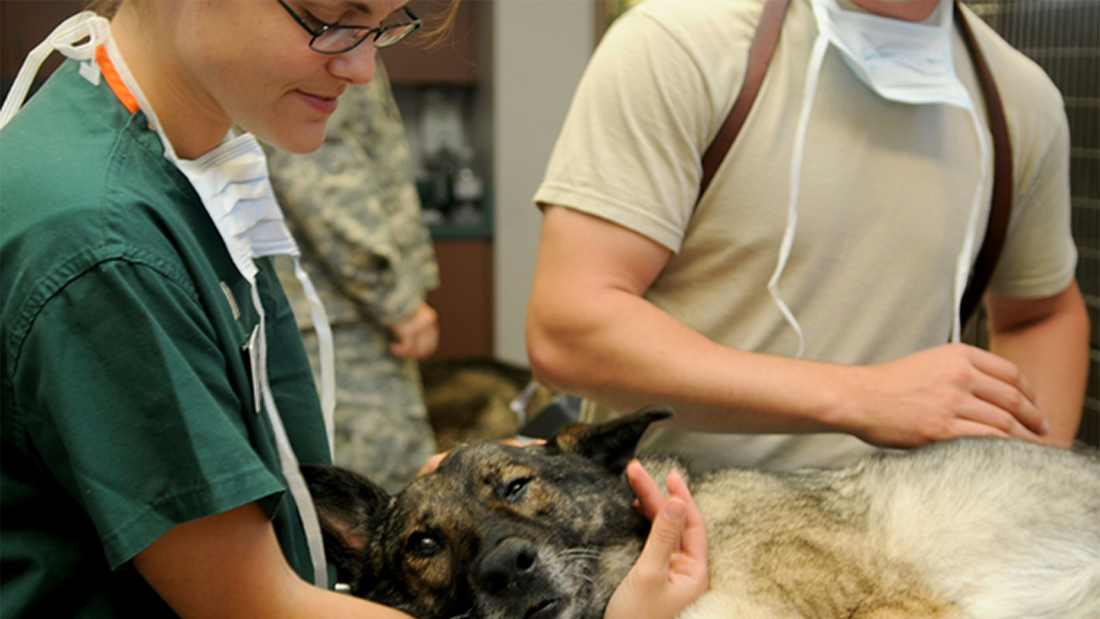
A vet assistant works directly under a qualified vet or vet technician, providing hands-on care for animals in clinics, farms, or other settings. It's a role that puts you in close contact with animals every single day.
Your typical duties might include monitoring animals after surgery, sterilising equipment, collecting samples, feeding and bathing animals, and keeping cages clean. It's practical, varied work that requires patience and genuine care.
The role isn't without challenges. You'll sometimes work with animals that have been abused, and you may be present during euthanasia. There's also an occasional risk of injury from distressed animals, so careful handling is essential.
No Formal Qualifications Needed to Start
Here's the good news: you don't need formal qualifications to become a vet assistant. Many people enter the profession with no specific credentials at all, which means you can start sooner than you might think.
However, completing further study in veterinary nursing will significantly improve your employment chances. Most Australian higher education institutions offer courses in veterinary nursing, veterinary technician roles, and veterinary science. These qualifications open more doors and lead to better career progression.
Getting Your First Role Without Experience
If you're eager to break into vet work but don't have experience yet, take action. Contact your local vet clinics directly and let them know you're available. Vet clinics often struggle to find good assistants, so your enthusiasm can work in your favour.
If you've spent time around animals in any capacity, mention it. Whether you've grown up on a farm, volunteered at an animal shelter, or simply spent years with pets, employers want to see genuine animal experience and passion. This can be the difference between securing your first role and waiting on the sidelines.
Considering Related Veterinary Careers
If you're exploring the vet field, there are other pathways worth considering.
Veterinary receptionists perform standard admin tasks but work in an animal-focused environment every day. It's a solid entry point if you prefer a less hands-on role while still being part of the veterinary team.
Vet technicians require a bachelor's degree, typically three years of study, but offer significantly more specialisation. You could focus on small animal care, emergency and critical care, anaesthesia, diagnostic imaging, equine nursing, or farm animal health management. On completion, you'll be a paraveterinary health care specialist with advanced technical knowledge.
Your Next Step
Whether you want to start immediately as an assistant or invest time in formal qualifications, there's a vet career pathway for you. Contact local clinics, check job boards for vet assistant positions, and connect with employers who are actively hiring in your area.
Connectzapp matches candidates like you with relevant vet positions based on your profile and interests. Create a profile highlighting your animal experience and availability, and employers looking for vet assistants will find you.